Where I Read – Nintendo Power #18

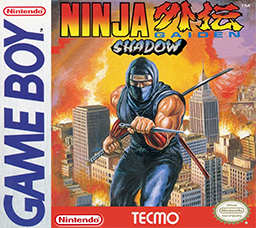
We’ve now come to issue 18 of Nintendo Power for November of 1990, with our cover game being Dr. Mario, plus Little Nemo and Castlevania III get some mention as well. I’d like to say that while Nintendo Power doesn’t have the hard hitting game journalism of a EGM or even a GamePro, at this point in the game’s history, it’s my favorite magazine to read. Not just recap (though it is easier to recap, with the exception of the top 30) but to generally read. The magazine in general is visually attractive and, as I’ve mentioned previously, this magazine has some of the best art of the era – whereas EGM’s internal art (with the exception of advertisments) is taken from screen caps, and GamePro’s art is crap, Nintendo Power’s art (with the notable exception of when they cover Ninja Gaiden games) is a feast for the eyes.

Letters: Not a lot of feedback letters this issue. Instead, they did a call for everyone’s biggest Nintendo nightmares, and this is the best of the best… I guess. We do get a notable letter though from a woman whose son strengthened his eyesight by playing NES games, and having to track the action on screen. That’s pretty awesome. I’d love to see some research done on this (hint, hint, scientific community – though it might be less expensive to do the research if you use Wiis and Virtual Console games instead of X-Box 360s, PS3s, or actual Wii games or NES/SNES/Genesis games). Read more

Where I Read – Electronic Gaming Monthly #56

This week we’re going to continue making forard progress in our EGM recaps, instead of filling holes in the back archive, with Issue #56. This issue has an even more reasonable length, at 187 pages, and our cover story is the Star Trek: The Next Generation game, with a great oil painting for cover art. Again, I wouldn’t mind hanging this (or any of the Star Trek movie posters) on my wall. I’m letting my Trekkie bias show, but I’d say this is my favorite cover of EGM thus far.

Editorial: Winter CES has come and gone, and Sega showed a lot of games. Nintendo… not so much, though what they did show was pretty good (Super Metroid). Further, Sega also demonstrated some new technology to, hopefully, lower game costs – rather than requiring publishers to bundle a new chip in their cartridges, ala the Super-FX chip. However, this technology takes the form of what will become the 32X add-on module, intead of raising the price of the cartridge, it splits the install base, which didn’t help the publishers as much as Sega would like to. Read more

Where I Read – GamePro #40

Our GamePro recaps continue again with our coverage of issue , for November of 1992. Our cover story is Sonic The Hedgehog 2 (which was EGM’s cover story two months prior). The issue weighs in at about 200 pages in length, oh, and for the record, the cover art still sucks.

Editorial: Finally, we get another editorial with content. 1992 is Atari’s 20th anniversary (which makes 2002 the 30th), and so the Editorial column is taking a brief look back at Pong, before leading to a look at where we are now, and what’s to come. It’s very well written, and while it’s stuff that’s been said by a lot of people before, it’s not describing what’s been covered in this issue by the Table of Contents, so that’s a nice change right there.

Letters: First up is a letter from Fake Link. That’s right, before Twitter lead to Fake Celebrities twittering about what they eat, who they met with, etc. (along with, for example, Fake Professor Layton), we got Fake Video Game characters writing into video game magazines, though there was nothing viral about these letters. We also have letters asking for an explanation of the difference between Bits, and Bytes, along with a letter asking if the Phillips CD-I and the SNES CD-ROM will be compatible (well, if the latter came out, the plan would be that they would be inter-operable – but, as we all know, the SNES CD-Rom never came out). We also get a letter requesting that if the 16-bit section of the magazine be increased, that the 8-bit section be increased proportionally. Um… less 8-bit games are coming out. Now, in theory this would lead to longer reviews of the 8-bit games that are coming out. However, if the description of the game ends up being short – that leads to a lot of review saying (quite possibly) how bad the game is. Now, while I wouldn’t mind getting, in a video game magazine, the equivalent of Fenimore Cooper’s Literary Offenses, such a review would probably horribly sour the developer and publisher on the magazine, and piss off the fanboys – though, if the company being soured was, an unlicenced publisher (Wisdom Tree, for instance), the damage would probably be pretty minimal. Read more

Quality Control – Final Fantasy I

Buy Final Fantasy: Dawn of Souls from Amazon.com

Well, I have finally beaten Final Fantasy I, the Game Boy Advance version, just in time for yesterday’s recap of Nintendo Power’s Final Fantasy I Strategy Guide. I also got my review done, but unfortunately I wasn’t able to get any video recorded of the Game Boy Version, which is the version of the game I used. However, I was able to get the audio recorded, and thanks to WordPress.com’s ability to embed audio from SoundCloud.com, I was able to upload it there and embed it here, so you don’t need to muck around in Megaupload.

So, with that, I hope you enjoy the review.

Before the review, here are a few more links for other versions of Final Fantasy I for you:

  • Final Fantasy Origins for the PS1 (from Amazon.com and eBay)
  • Final Fantasy I for the PSP (from Amazon.com)
  • Final Fantasy for the NES (from eBay)
  • Final Fantasy: Dawn of Souls on eBay

If you do want to download it from Megaupload, you can do so here.

Where I Read – Nintendo Power #17 (Guide #3)

We’re now moving on to another Nintendo Power Guide, which is issue #17 overall, and their 3rd guide. – this one for one heck of an epic game – Final Fantasy, which, while all the later incarnations of the system will be (to varying values of fantasy) Fantasy games, this game will certainly not be the final game in the series.

This guide is organized incredibly well. Aside with the strategy guide organized by unofficial “acts” of the game, we also have an overworld map with notes indicating what chapters and page numbers in the guide are related to what areas. This is fantastic, and more RPG strategy guides need to organize themselves in this fashion. It’s a small thing to do, but it’s incredibly helpful. We also get some helpful “how to use this strategy guide notes” which are nice, since this is, basically the first RPG strategy guide. There is no GameFAQs, though in theory you could write a FAQ and put it up on a BBS, but considering the size of most FAQs for RPGs (which be a little more useful than a FAQ for Mario Brothers, since you didn’t have gifs and jpgs), it would take a long time to upload on your dialup modem. Read more

Where I Read – Electronic Gaming Monthly #51

We’ve got another hole in our EGM coverage to fill this week, though it’s one that’s a little more recent. This week we’re recapping Issue #51 for October of 19993. Our cover story is Super Street Fighter II, and this issue weighs in at 229 pages. This also the debut their new visual look for the magazine, and they kind of herald or provide fanfare for the new look with an two-page spread of an image from Blade Runner.

Editorial: Ed Semrad has the editorial this month with his promotion to EiC, as Steve Harris has moved back a bit to just publisher instead of wearing both the publisher and Editor-in-Chief hat. This month the topic of writing is Nintendo delaying Project Reality (aka the Nintendo 64), shoving it back to 1995 – which doesn’t look very good considering how often both of Nintendo’s disk systems got shoved back over the past 3-4 years before finally dissipating like the cloud of vapor they were in the first place. At this point in Nintendo’s history they’ve become the master of the tease.

Letters: The editors of EGM were at CES and able to meet with readers, and the readers love that. Considering how good acclaim from people in general feels, the EGM staff probably loved it too. We also have some questions about playing the PC Engine version of Street Fighter II on the Turbo Express. Well, you will be able to do that, but you will need an appropriate adapter, but it can be done. However, you will need to use Select to toggle between punches and kicks. More questions wondering whether Phantasy Star 4 will come out in time or not (it will). We also have a question wondering if we’ll get more Menacer titles? Probably not – Sega only released 6 menacer games for it overall. There are also questions about getting compilations of the magazines (fortunately, Retromags is around for that – at least unless Steve Harris is able to get an archive of all the EGM magazines togeather, gets them scanned, and puts out a multi-DVD set, much like what’s been done for various Marvel titles. Read more

Why I’m Trading In Need For Speed: ProStreet

Get Need For Speed ProStreet from Amazon.com

So, I’ve previously reviewed Need For Speed Carbon. In the course of that review, I explained that I liked the game, and enjoyed playing the game, but had some major problems with the pursuit system of the game, and how sparingly the game gave out get out of jail free cars, and other items to take tick marks off your cars wanted level and impound meter, making it more likely that you, as a player, would encounter a situation where you’d be unable to continue, but wouldn’t have a game over.

Thus I traded that game in and moved on to the next game in the series – ProStreet. ProStreet was practically infamous for the negative review scores it got, from losing the illegal street race edge and making the races legitimate, to the increased realism. However, after having my aforementioned bad experiences with Carbon, this sounded like just what the doctor ordered.

As the saying goes though, the more things change, the more things stay the same. Read more

Where I Read – GamePro #39

We’re continuing with the GamePro Recaps with issue 39 for October of 1992. The cover story for this issue is Street Fighter II – again. The cover art is god-freaking-awful – again. Now, the copy I’ve got is 149 pages long, but it’s missing a couple pages. Apparently there was a poster in the issue, that was removed before I got it. So, I have no idea how good the poster looks, how bad the poster looks, and what was on the back of the poster. Considering the cover art quality though, the person who removed the poster just may have done me a favor.

Editorial: This week’s Editorial is all about the Street Fighter II, it’s come out on Home Consoles in Japan, and it’s due to come out in the US… eventually.

Letters: We start off with a question about how much memory can be stored on a CD. They’re talking about the disk game version of The 7th Guest taking up 2 disks holding 8000 Megabits of memory like it’s a really big deal. By the way, that’s about 1 Gigabyte – and they do (sort of) clarify the size of the game. We also have discussion on buying your own arcade machine, and the specialized retailers you need to go to get one, specifically referring to getting Street Fighter II: Championship Edition. This kind of makes me wonder somewhat, why people haven’t tried working on some sort of version of Mugen or variant of Mugen that would allow you to, basically, take your game you built in Mugen, and play it through MAME, with a MUGEN “chipset” (much like they have files for the chipsets for various Neo-Geo and Capcom boards). Read more

Quality Control Review – Teenage Mutant Ninja Turtles: Fall of the Foot Clan

Get TMNT: Fall of The Foot Clan from eBay.

Well, it was my intent this week to put up another video review, this time of Teenage Mutant Ninja Turtles: Fall of the Foot Clan. Unfortunately, I wasn’t able to record the video I needed for the review. But, fear not, I still have my audio – so it will instead be something more podcast-y. You can download the audio here.

You can find the usual eBay link in the picture. Also, please feel free to lead any feedback in the comments, or any recommendations for future games you’d like me to review.

Where I Read – Nintendo Power #16

Our Nintendo Power recaps continue with a standard issue of the magazine – Issue #16, for September of 1990. Our cover story is the port of Lucasarts adventure game Maniac Mansion… and I have to admit that I don’t like the cover art for this issue.

Letters: Well, we’ve gotten lots of letters from grandmothers who play NES games, now we’ve got a letter from a mom who plays NES games, though her main game of choice is Tetris. Look, Nintendo, while people have different tastes, and I will admit not everyone will like a Gears of War, adults and senior citizens will play “hardcore” games if you give them a chance, and the game is good. If they don’t like it, that’s okay too, but there will be a percentage of older gamers – moms, dads, seniors, who will play those games, and enjoy them, if they don’t suck. Hopefully, Wii Motion Plus will lead to some innovations in this game space, and lead to these games not sucking. In particular, if we do get a Wii release of Call of Duty 4 (hopefully with Wii Motion Plus support), hopefully it wil be that cross-over game.

Final Fantasy Strategy Guide (Pt. 3): You know, considering their next strategy guide issue is going to be Final Fantasy I, I hope they leave something for the special Final Fantasy Strategy Guide next issue. Anyway, we get some brief notes on the Mirage Tower and the Sky Castle. The guide itself is only 2 issues long. The rest of the “guide” is hyping their “Final Fantasy Treasure Quest” contest, which gets you and 4 friends a vacation. Read more

Where I Read – Electronic Gaming Monthly #29

Yay! This issue’s EGM recap gives us an opportunity to go back and fill one of the holes in the archive. In this case, we’re going back to issue , for December of 1991, and what a cover story we’ve got this time – Legend of Zelda: A Link to the Past, Link’s first 16-bit adventure. This issue is a rather substantial one though, weighing in at 255 pages. Let’s get started, shall we?

Editorial: The editorial column for this issue is from Ed Semrad, and basically is looking back at the year that was. Nintendo has finally thrown it’s not-unsubstantial hat (it might even be described as a Nice Hat) in the 16-bit ring with the SNES, and Sega’s jumped into the handheld arena with the Game Gear. Oh, and the future of gaming appears to be CD Gaming (which is more true than you’d think at the time).

Letters: Well, we get questions about whether the SNES will get a release of Street Fighter II. No, I’m sorry, it will not get a release, it will get many releases. We get a question about whether the Sega CD will be compatible with import games (nope, sorry – it’s the second system to follow NEC’s lead in blocking imports through the use of software region locking, instead of just making the Japanese cart a little too wide or something similar. We also get complaints about slowdown on the SNES – particularly with shooters like UN Squadron. The editorial staff’s speculation is that it’s got something to do with the greater popularity of RPGs on home consoles in Japan, instead of shooters. That’s not unreasonable. Read more

Where I Read – GamePro #38

Our GamePro coverage continues to issue #38 for September of 1992. Our cover story is a whole bunch of comic book games, most of them with the Marvel licence. This issue’s getting up there in length, at 163 pages long.

Editorial: Well, GamePro TV is now on cable… on the Sci-Fi Channel! That’s right, the Sci-Fi channel showing programming that wasn’t Sci-Fi, like wrestling, is not a new development.

Mailbag: We get a question about whether PC CDs will work on the SNES CD or Sega CD. Bwahahahahahahahahahahahaha… no. There are also questions about getting virtual reality systems (most systems run $60,000).

Cutting Edge: Now adults are getting edutainment games. Specifically, we get coverage of games designed to help people manage their diabeties. Ooohhhhkay. I think I’d prefer modern “non-games” like My Personal Trainer over this. We also get some information on Bullet-Proof Software’s Virtual Reality system, and Sony’s new home theater system, the XBR2.

Hot at the Arcades: Hook and the Addams Family movie are both getting pinball tables, plus Williams has a couple “sequels” to existing tables – The Getaway: High Speed II and Hurricane, a sequel to Comet & Cyclone. Read more

Where I Read – Nintendo Power #15 (Guide #2)

Next up is our second Nintendo Power Strategy Guide, for Ninja Gaiden II: The Dark Sword of Chaos. Unfortunately… Nintendo Power’s apparent weakness when it comes to cover art is the Ninja Gaiden games, because this one doesn’t look so hot. The photographed guy-in-black-pajamas is back, and the background doesn’t have any perspective to it at all. Look, guys, most of your cover art is great – but there’s some stuff where the photographed cover art doesn’t work that well – and this is one of those cases. Here I’d reccomend, basically, skipping doing the photographed cover art, and let one of your interior artists get a shot at the limelight.

We start off the issue proper with a semi-recap collage thing covering the last game. We also get a two page comic strip which, probably, recaps some of the content from the first cutsecene in a comic strip form… and at the very least they have the same letterer as Howard & Nester. Next up is a quick little dramatis personae, though the full sized art they have of Ryu is waaayyyy too western looking – it’s the chin, and something in general about the face structure. Everyone else looks okay though. We also get a list of the many generic monsters we’ll run into in the game, and the slightly less common power ups that will aid us along our way – including the new power of the Ninja Double/Shadow Clone, which is one of the most useful new powers in the game. Read more

Where I Read – Electronic Gaming Monthly #55

So, the EGM recaps roll on, with another 2 issue gap, taking us from #53 to #55, for July of 1994. Our cover game for this issue is NBA Jam, Midway’s next big gaming franchise (though one that doesn’t last as long as the Mortal Kombat franchise. Anyway, this issue is considerably shorter than #53, running in at 231 pages – which is still a lot, but nowhere near 400 pages.

Insert Coin – Editorial: Much as Tipper Gore’s complaints about violent and sexual content in music lead senate hearings in the 70s and 80s, we now have our first set of Senate Hearings about violent and sexual content in video games. This will not be the last – we get another set of hearings after Columbine, and a third set of hearings after Hot Coffee. That’s correct – Video Games got more Senate hearings (that could have lead to federal laws censoring them) than Comic Books and Music combined, though they need 3 more series of hearings, though they need one more set of hearings to beat the movie industry. So, it’s time for Publisher Steve Harris (go Steve) to weigh on this whole mess. I agree with Steve Harris’ sentiments completely – and they’ve been expressed and re-stated by many game journalists since then, from EGM to GameSpot to GamePolitics. I’m going to put up a scan of Steve’s editorial and I encourage you to read it. I haven’t gotten to 1994 in GamePro yet, so I don’t know if GamePro takes a side on this or if Nintendo Power takes a side on this – I doubt it, as Howard Lincoln was doing his damnedest to force a victory in the Console War by kicking Sega under the bus. Specifically, he was claiming that all the violent content that people were objecting to was on the competition’s systems, notably Sega’s, whereas since Nintendo was already censoring the games that came out in the US for their systems, they basically were also already complying with the panel’s requests. Read more

Where I Read – GamePro #37

Alright, the GamePro recaps continue with issue #37 for August of 1992, with another movie licenced game on the cover – Universal Soldier, based on the Jean-Claude Van Damme vehicle. Remember when the Muscles from Brussles had a career? Okay, that’s a cheap shot, particularly since JCVD might revitalize the man’s career (I’ve heard very good things about it) – but basically from here, and maybe Street Fighter 2 on, the man’s career goes into a steady decline.

Editorial: Summer CES has come and gone, and they saw a bunch of new games that they’ll be talking about this issue. And no – they won’t be doing any discussion of anything other than the contents of this magazine in the Editorial section.

The Mail: We get a request for tips on older games, or more in-depth strategy guides for games that have been out for a bit, and get pointed towards GamePro’s SWATPro Magazine. For the record, I think there might still be a market these days for a “strategy guide subscription” Particularly if we can get something like the Kindle with color. GameFAQs has it’s merits, but a well laid out strategy guide with label maps and pictures of relevant areas of the game is still helpful, and might help me with situations such as, when the Flood was introduced in Halo 1, my getting lost – which actually ruined the emotional impact of the level. We also have another question about getting into the game industry – alas, the internet is not wide spread enough at this time where you can put an FAQ on GamePro’s home page with an answer to that question and put a link to it on the very front. We also get a request for more Master System coverage, since Sega hasn’t officially stopped supporting it yet (the problem is that many of the new games for the Master System are taking a hop, skip, and jump over the US and heading to Europe, where the Master System generally did well). Read more

Where I Read – Nintendo Power #14

Well, we continue on with the Nintendo Power recaps/reviews with the first proper issue (one that isn’t a strategy guide) of Nintendo Power’s 3rd year. Our cover story is Chip & Dale’s Rescue Rangers from Capcom, which is another of the Disney licenced platformers that I haven’t played. The art is a bit of step down for Nintendo Power, but that isn’t saying much – it’s like saying “that movie wasn’t so great – for a Hitchcock movie”. It’s still better than the Ninja Gaiden cover. Anyway, the issue is, as is par for the course for Nintendo Power, about 105 pages long.

Letters: We start off with a thank you for how wonderful the Nintendo World Championships worked out. Alas, but with the exception of the World Series of Gaming (and similar tournaments) we’ll never see their like again. We also get the invention of an automatic cord winder for the NES invented by a 9-year-old-kid for the Invent America project. Oh, and once again, we get a testimonial about how borderline bulletproof the NES was – a family in the US Virgin Islands got clobbered by Hurricane Hugo, and their house was wrecked. However, the TV still worked (once they got a generator set up) – and so did the NES! God the NES was a tough system. Except with regard to the pins – and that bit was entirely Nintendo of America’s fault, by going with the VCR style design rather than the top loading design of the Famicom. Read more

Where I Read – Electronic Gaming Monthly #53

So, the EGM recaps continue with issue #53 for December of 1993 (yeah, I’ve got a bit of a gap again, so you might want to mind that). Our cover story this issue is Eternal Champions for the Sega Genesis – which is one of the first games designed to work with Sega Activator, their motion controller, which is great, if you have an Activator and can get it to work with this. Anyway, the issue is pretty big, about 392 pages long.

There are a few changes with this issue of the magazine (the re-organization having officially taken place 2 issues ago. As of this issue, Ed Semrad is now Editor-In-Chief with Danyon Carpenter as Senior Editor with the new positions of the Managing Editor, with Howard Grossman in that spot, and Joe Funk as the life-styles editor. Martin Alessi is no longer on staff. Steve Harris is still on staff though as the publisher (a position he held before anyway), and hopefully he’ll still be on the Review Crew.

Insert Coin: The 32-bit Generation is beginning, with the battle lines being drawn. Sega is working on the 32X and the Saturn. Sony is still quietly working on the Playstation, preparing their revenge against their snubbing by Nintendo with all the secrecy of Darth Sidious. 3DO and Phillips have their systems, and Atari is kicking it up a notch with the 64-bit Jaguar. Additionally, there’s all the CD systems either currently on the market or coming out soon. Meanwhile, Nintendo’s just sitting pretty with the SNES on the market, and the 64-bit Project Reality system in development (which would later become the Nintendo 64). However, we do get some suggestions here, rather than just analysis, from Ed Semrad – Sega should make the CD portion of their Saturn optional. Considering that when the Playstation comes out, basically everyone goes to CD systems after realizing how less expensive it is to put out a game on disks rather than on cartridges (something PC gamers could already tell you), I’d say that advice is probably (unintentionally) bad. Read more

Where I Read – GamePro #36

We continue with our recaps of GamePro with issue 36 for July of 1992. This issue is of pretty average length at 112 pages long – with what is probably GamePro’s first extremely awesome piece of cover art, complete with jets of blood. I’m surprised that they got away with the blood on the cover, to be honest. It’s not a perfect likeness of H.R. Giger’s disturbing design, but it still captures the intensity of the design.

Editorial: After several issues of awesome editorial columns, we’re back to spending the editorial column doing the job the cover and the table of contents are supposed to be doing – hyping the contents of the issue. Disappointing.

Letters: Of note in the letters is one letter calling for 8-bit to die already. Long live 16-Bit! Long Live 32-bit! Long Live 64-bit! Long Live Quantum Computing! *gets hit by the readers* Ow!

Cutting Edge: This issue they’re covering CD games. We’re starting off with Commodore’s console system, the CDTV, which actually came out, though nobody remembers this because Commodore died 2 years after this issue hit newsstands (1994), and the OS was already obsilete. Anyway, Commodore killed this system the next year, in favor of Amiga’s CD32, which isn’t remembered much either, because, again, Commodore died the next year. Next up is the Phillips CD-I, with a list of various games coming out for the system, including one called Guest which would actually be The 7th Guest. Read more

Where I Read – Nintendo Power #13 (Strategy Guide #1)

This week, as the next issue of Nintendo Power I’m covering is a strategy guide, I’m going to do a review of the guide and then a review for that game. Now, I’m not going to necessarily do full playthroughs of all these games, particularly since some of these are RPGs (and thus entail grinding), or are just really long. I’ll do what I can, though. Usually these games are classics as well, so the reviews will more be my impressions about the game and general remberances. Due to length issues, I probably won’t have YouTube videos for these reviews, as I suspect my coverage will be longer than YouTube’s 10 minute time limit. We’ll see.

Well, the guide itself is shorter than we normally consider strategy guides to be – only 85 pages long. However, considering the length of the game and the size of the levels, this isn’t too unreasonable. The guide starts off with techniques first, before moving on to the level maps. We get information on Mario’s various moves & power-ups. The guide poo-poos the over-world items of the Anchor (which makes the Koopa’s airship stand still) & Music Box (which makes the Hammer Brothers stand still) though, which I disagree with. I’d spent a few occasions desperately chasing down the Koopa airship after having beaten all the levels, unable to catch the bloody thing. Similarly, I’ve had a few occasions where I really didn’t want to fight the Hammer Brothers, and found the Music Box very useful at avoiding them (or getting them to hold still so I could catch them if I wanted to take them on.) Read more

Where I Read – Electronic Gaming Monthly #50

The EGM recaps continue with isue #50, for September of 1993. Oh, what a cover story we have this issue! In this corner, we have Street Fighter II Turbo. In the other corner, we have Mortal Kombat – the two franchises that will define fighting games in the United States for the next few years. Once again, as a reminder, this issue is rather long at approximately 197 pages. So let’s begin, or, rather (considering the fighting game cover) – Fight!

Editorial: This issue’s editorial from Ed Semrad covers the differences between the SNES and Genesis versions of Mortal Kombat – the SNES version has all the good stuff (blood, some of the fatalities, etc.) removed, while the Genesis version is as close as possible to an arcade quality port for a home console system. Unfortunately, what is the gamer to do – shut up and take it. Unfortunately, the kind of multiple-console releases we see a lot of in the modern generation of gaming (and the one prior) had significantly more titles getting multi-platform releases than the 16-bit era, where, at this point in the generation, multi-platform releases were relatively new – not to mention the problems with Nintendo penalizing developers and publishers who went multi-platform. Now, this might be a good place to say that censorship places artistic restrictions on games – but at this point in gaming’s history the “Games as Art” movement didn’t exist particularly, so if you wanted to reference a title where content restrictions would restrict the kind of stories that could be told, you’d have to go to import games – for example, the Shin Megami Tensei series of games (which most US gamers wouldn’t know about anyway). So, we have a dilemma. Read more

Where I Read – GamePro #35

So, onwards with our GamePro recaps. Our next issue is for June of 1992. This issue is at a semi-average length of 117 pages long, and it’s cover story is Taz-Mania for the Genesis. That’s right, it’s the early 90s, and now the Tazmanian Devil has the most marketing muscle of the Looney Toones. Not Bugs, not Daffy, not Tweety, not Sylvester, not Porky, not Elmer.

Editorial: Well, they’ve changed the rating system again, from a 5 point system to a 10 point system. Sort of. It’s more a 5 point system with half-points in-between. I’m more of a integer guy myself. To make things a little easier, they’ve also stopped giving a “point” score for difficulty, instead giving a brief descriptor – which is good, because on the number system difficulty was working on an entirely different scale from everything else. Well, we’ll see how the new system works out. Oh, and they’ve also added a new sports section, instead of doing semi-annual sports issues.

Mail: Our first letter is related to cross compatability between Phillips CD-I system and Nintendo’s “upcoming” SNES disk system, and rumors of plans for a color GameBoy. I suspect Nintendo is working on a Color Game Boy, though I know we don’t get it until around 1998-ish, and Sushi-X wants one even more than he wants a ninja pony. Also, they get called on a slight goof on their April issue, when they billed Jordan Vs. Bird as being for the SNES instead of being for the Genesis. We also get a letter bitching about Nintendo not putting out a 8-Bit converter for bringing NES games to the SNES (speaking of a pony), and a letter wanting to contact some of the “GamePros”. I still find obfuscating the reviewers identies through the use of false identites a little questionable – it feels like they’re trying to build popular identities for various writers and get readers to follow them, but to do it in such a way that the writers are disposable, and possibly making it difficult for writers to find work elsewhere, because the writers themselves aren’t actually getting credited for their work. Now, I could be (and I hope I am) totally wrong, but that’s the impression that editorial decision gives me. Read more

Where I Read – Nintendo Power #12

Well, we have now come to the end of Nintendo Power’s second year, with significant changes to come in the magazines’s second year (with it basically becoming a monthly magazine – sort of). This issue (#12 for May-June of 1990) is, as it’s almost always been, of average length for a magazine about 100 pages long, and our cover story is Super C. Once again, we also get some of Nintendo Power’s great cover art. I just want to stress this again – Nintendo Power, when it brings it’s A-Game (as it’s doing right now) puts out better cover art than any contemporanious video game magazine.

Letters: We get a question about why a game costs $40-50 when it only takes 10% of that to manufacture the game (basically, it’s because of all the work that goes into the programming of the game, and the game testing needed to make sure the game works). We also get questions about getting the magazine in a French language edition for Quebec (the person writing the letter reads, speaks and writes french fluently, but his English isn’t nearly as good). Well, considering the small size of the market in Quebec, it’s not economical for Nintendo Power to produce a French edition for just that market and they a similar thing for Spanish. Something tells me that might change in the modern US. While the US isn’t actually a bi-lingual nation, there are enough people who learned Spanish before they learned any other languages to make it feasable. Read more